
Group Therapy at The Community
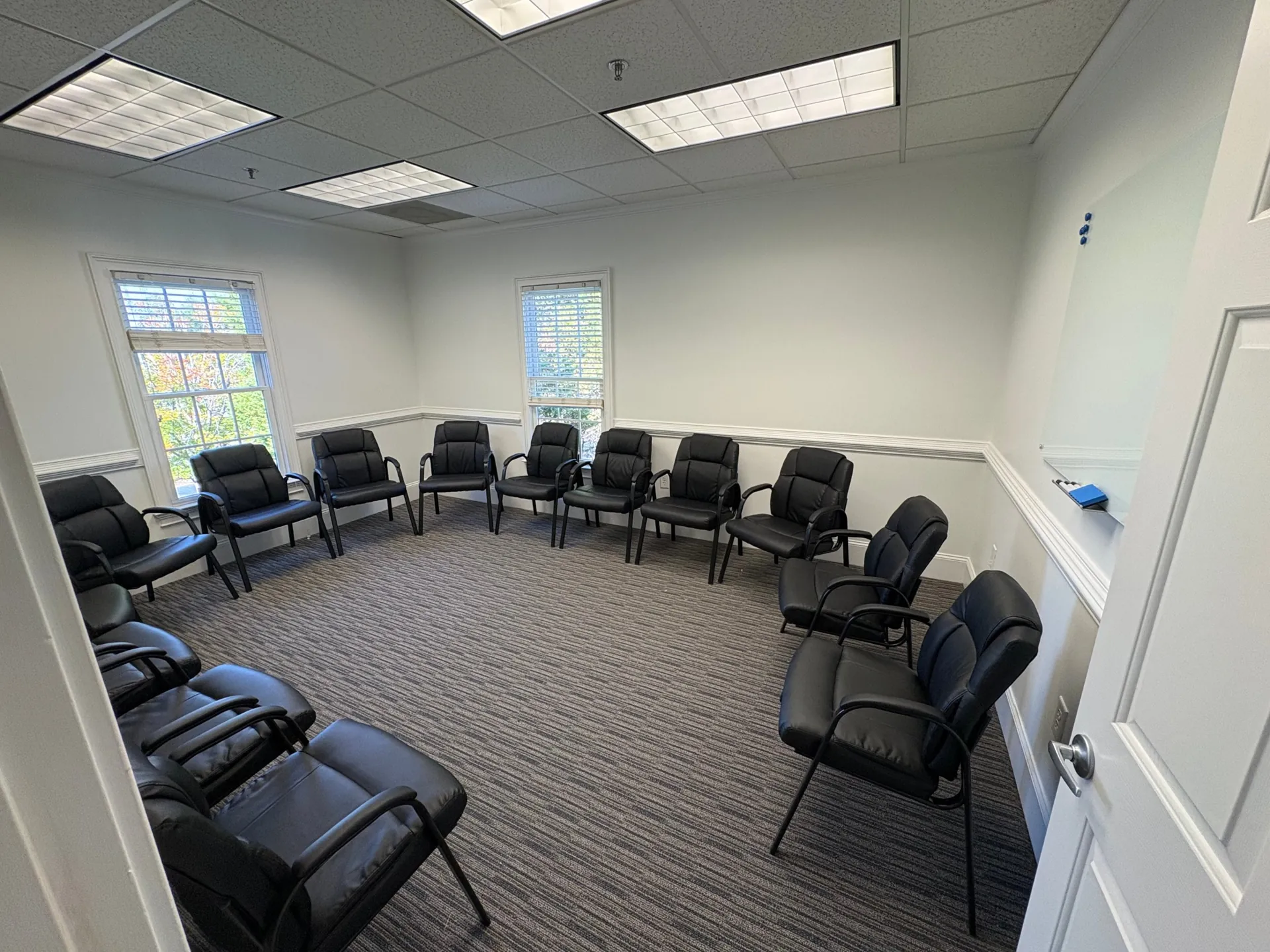
You don’t need to be a client of The Community to join a therapy group here. Seven groups are enrolling now in the Atlanta metro, based in downtown Alpharetta, with three groups (The Lunch Bunch, the Tuesday Process Group, and Anger Management) meeting virtually for people anywhere in Georgia. Enrollment is open to any adult (18+) and is for those already in therapy elsewhere, people not in therapy at all, and all of our clients at The Community. Every group begins the same way, with a short screening conversation with the facilitator. For our own individual therapy clients, group is the second room of the work, and your individual fee includes a group at the same frequency; for people not in individual therapy here, the group-only rate is $25 per session, a full way in all its own, and joining a group here never requires leaving the therapist you already have.
You don't need to be a Community client to join a group here.
- Your individual fee includes a group at the same frequency; beyond that frequency, sessions are $10, and the group-only rate is $25 per session.
- Seven groups are enrolling now, based in Alpharetta; The Lunch Bunch, the Tuesday Process Group, and Anger Management meet virtually.
- Every group begins with a screening conversation with the facilitator to make sure it's the right fit.
- You can keep your current therapist; with your consent, we coordinate with them if desired.
- All current groups are for adults 18+.
Jump to a section: The Seven Groups Enrolling Now · Four Ways Into a Group · Open vs. Closed Groups · Screening and Fit · What Groups Cost · What Group Is Actually Like · Virtual Options · For Therapists · Quick Facts · FAQ
QUICK FACTS
The Seven Groups Enrolling Now
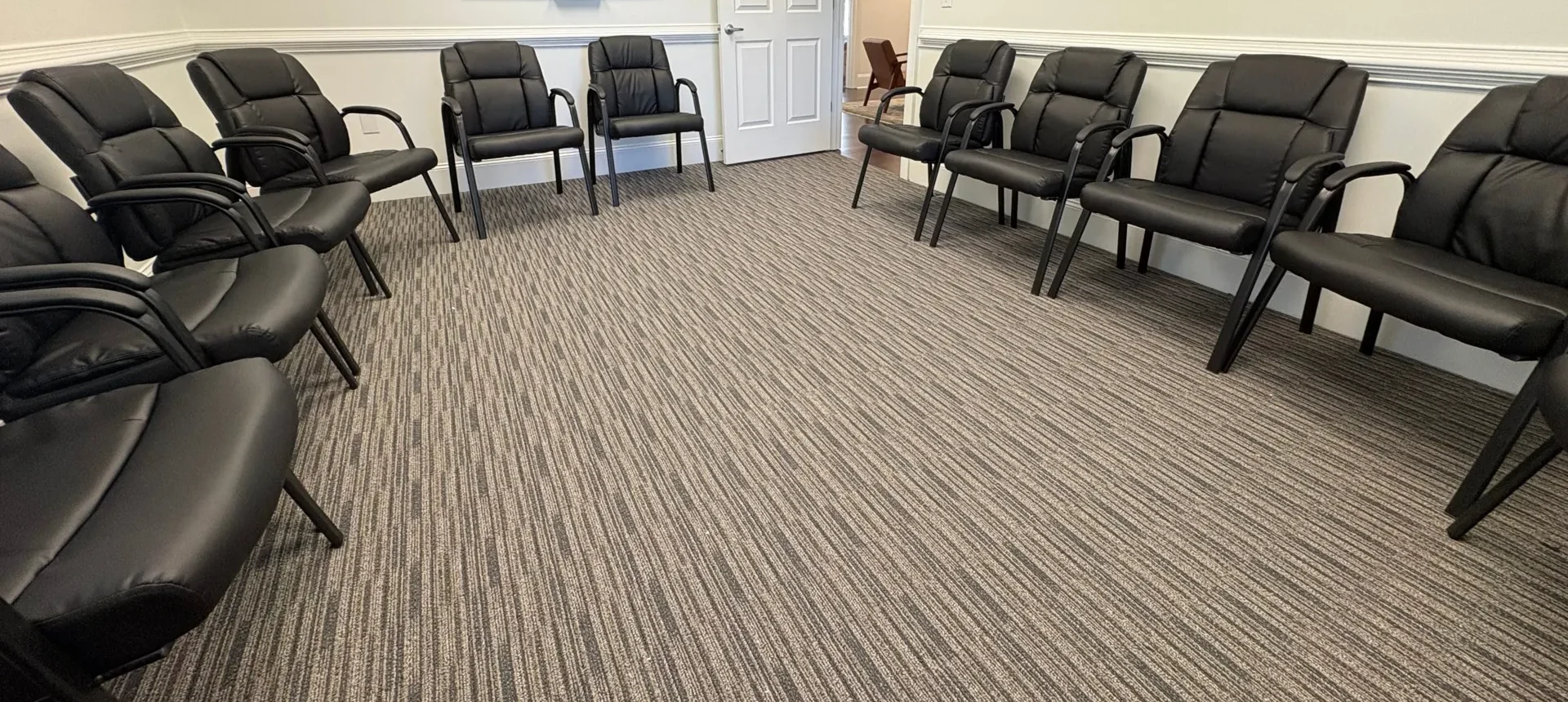
This page is the full catalog of groups at The Community; group listings live here and nowhere else on the site. Seven groups are enrolling now, and each one is led by the facilitator or facilitators you will meet in a screening conversation before you ever sit in the circle. More are forming as the community grows.
SUD Recovery Process Group
This is a recovery process group led by Grey Donnell. Members bring their lives and recovery into the room, work it out loud, and let the group carry the accountability between sessions. The format is process-oriented work, not curriculum: what happens in the room comes from what members bring, and the support and healing comes from being known. Because the group is open and ongoing, screening conversations continue as the group runs. This in-person group meets for 1 hour on the 1st and 3rd Thursdays of each month at 6:30 PM.
Thursday Process Group
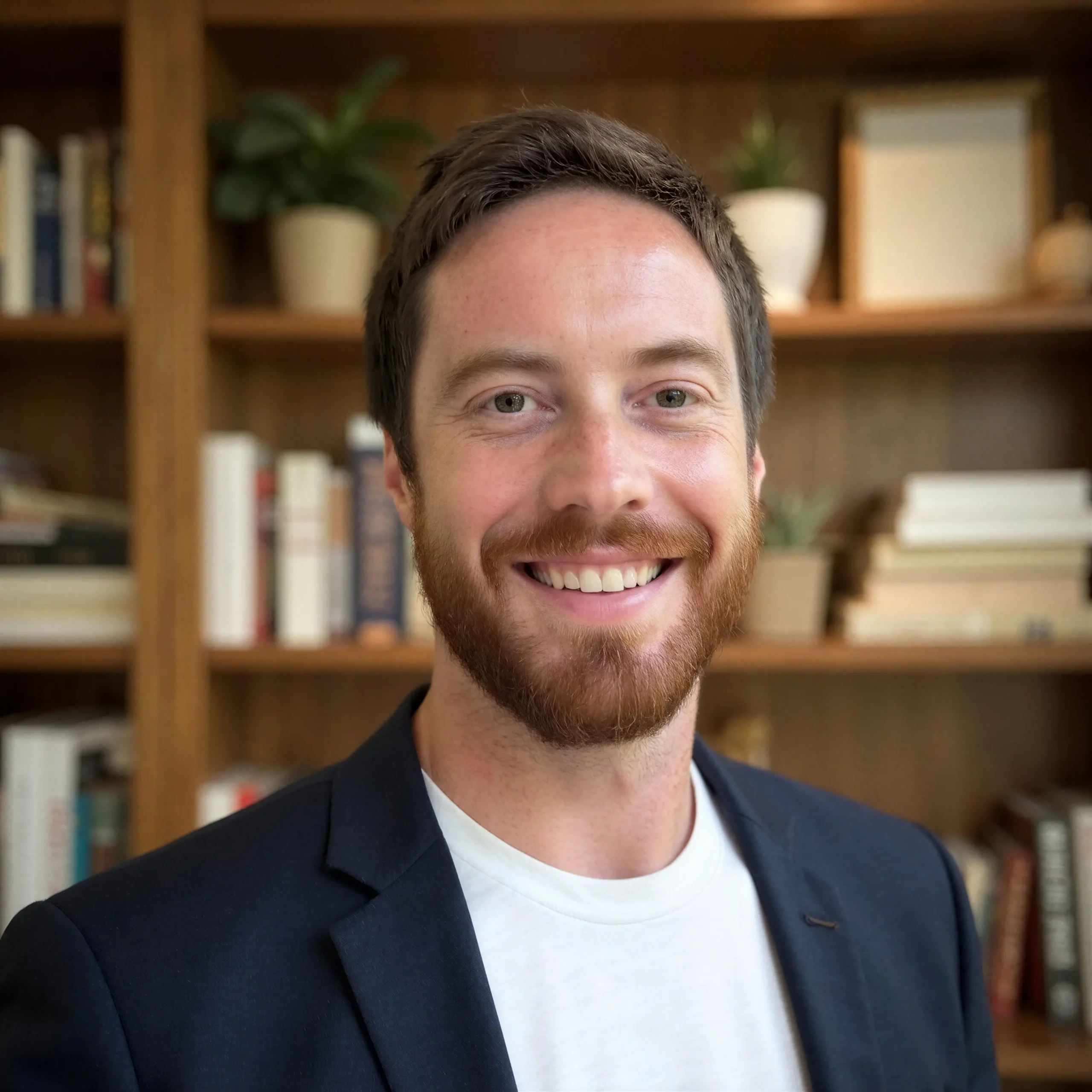
This open process group is a thoughtful, relational space for people to be known, understood, and challenged in the presence of others. Our facilitators are insightful, considerate, spiritual, and deeply attentive to the relationships developing within the group. We believe the primary agent of change is the connection between peers: the experience of being seen, heard, understood, and responded to by others. Group members are invited to process thoughts and feelings, explore patterns and relationships, and begin practicing new ways of being with themselves and others. Over time, the group becomes a place to develop trust, experience genuine connection, and discover that meaningful change can happen in relationship. This in-person group meets for 1 hour on the 2nd and 4th Thursdays of each month at 6:30 PM.
Wednesday Process Group
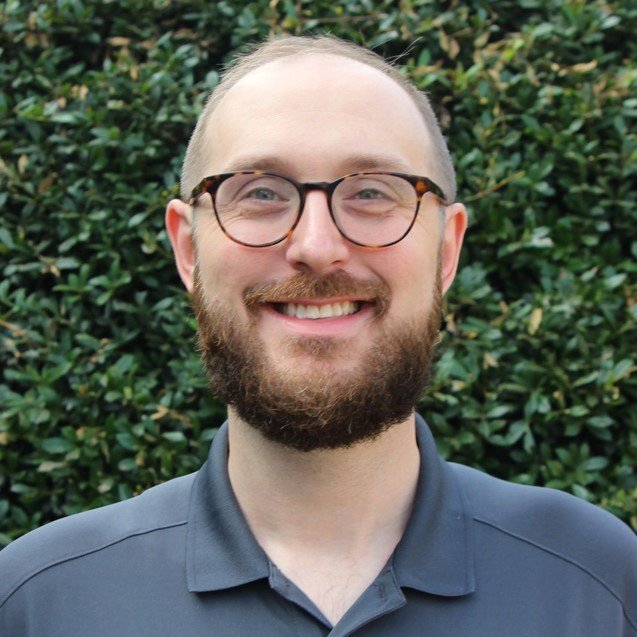
This open process group offers a thoughtful, supportive space to be known, heard, and understood. Our facilitators take a person-centered approach, bringing insight, consideration, and genuine care to the group while allowing members to guide the work toward what is most meaningful for them. Members are invited to process thoughts and feelings, explore patterns and relationships, and begin practicing new ways of responding and relating. Through honest conversation and shared experience, the group provides an opportunity to develop greater self-understanding, connection, and confidence in making meaningful changes. This in-person group meets for 1 hour on the 1st and 3rd Wednesdays of each month at 6:30 PM.

The Lunch Bunch
This check-in group offers a simple, accessible way to stay connected without the time commitment or depth of a traditional process group. Each member has a brief opportunity to share how they are doing, what is on their mind, and what they may be carrying into the week. The group is intentionally structured and limited in depth, making it a good starting point for those who are new to group therapy, cautious about groups, or have limited availability. It is a place to pause, check in, listen to others, and stay connected to the therapeutic community. This virtual group meets weekly for 30 minutes on Wednesdays at 12:15 PM.
Tuesday Process Group
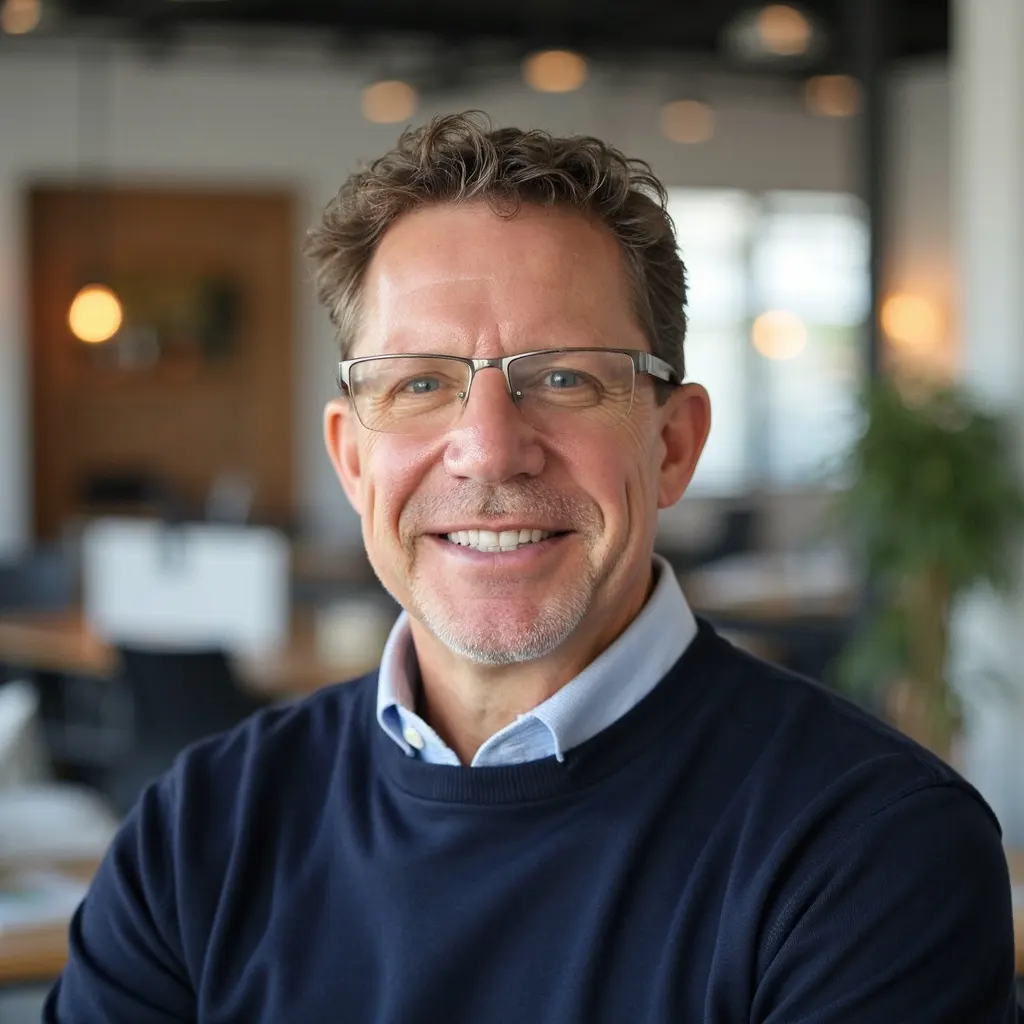
This open process group offers a supportive, energetic, and welcoming space to slow down, connect, and explore what is happening in your life. The facilitators take a person-centered approach, bringing thoughtfulness, consideration, and a sense of fun while allowing the needs and experiences of group members to guide the conversation. Members are invited to share openly, process thoughts and feelings, explore relationships and patterns, and practice new ways of responding and relating. The group offers the opportunity to be heard, learn from others, and experience meaningful connection in a relaxed and engaging environment. This virtual group meets on the 1st and 3rd Tuesdays of each month at 6:30 PM.
Professionals Group
A private, supportive space for professionals who carry a great deal and are accustomed to functioning at a high level. This group offers an opportunity to look honestly at the wounds and experiences that may have shaped that over-functioning, understand how much you have learned to carry, and practice being part of a community where you don’t have to be the one responsible for everything. Here, you can step out of the role of the capable one and experience what it means to be supported by like-minded people. This in-person group meets on the 2nd and 4th Tuesdays of each month.
Anger Management
This anger management group for adults in Georgia is a progressive, skills-based program designed to help participants understand their anger, recognize patterns of escalation, and develop practical tools for responding differently. Rather than focusing only on controlling anger, the group explores what anger is communicating, how thoughts and physiological responses contribute to escalation, and how triggers, resentment, blame, and interpersonal conflict can shape behavior. Participants will learn and practice strategies for emotional regulation, challenging unhelpful thinking, taking responsibility without shame, communicating assertively, resolving conflict, and responding intentionally rather than reacting impulsively. The program builds from self-awareness and understanding into real-life skill application, ending with an individualized plan for maintaining progress beyond the group. An official completion certificate is available for participants who complete the program and need documentation for court requirements. This 12-week virtual group meets on Thursdays at 6:30 PM.

Coming later: Building Better Relationships (BBR), a closed cohort for men doing the work of relational intimacy: trauma, shame, and co-dependency. Co-facilitated by Grey Donnell and Todd Valentine, the cohort runs 12 sessions, and screening includes 90 days of sobriety; coming in early 2027. Feelings 101, a 12-week closed course with Erica Welsh, is coming Spring 2027.
Feelings 101
“What really matters for success, character, happiness and life long achievements is a definite set of emotional skills — your EQ — not just purely cognitive abilities that are measured by conventional IQ tests.” · Daniel Goleman
This closed, 12-week group brings an interactive and fun experience to identifying, understanding, and practicing the emotional skills you hope to build. This group is for therapy newcomers as well as seasoned clients who want to refine their emotional language. Together, we’ll explore what emotions are, what they’re trying to tell us, and how they influence the way we think, act, communicate, and connect with others.
Through discussion, activities, real-life scenarios, and hands-on practice, you’ll build skills to:
- Use a wide range of emotional vocabulary
- Know the difference between a thought and a feeling
- Understand the function of feelings
- Recognize your personal emotional patterns and triggers
- Increase tolerance for a wide range of emotions, especially the ones that are difficult for you
- Understand how past experiences can influence present emotional responses
- Communicate feelings without blaming, withdrawing, or escalating
- Set boundaries while remaining emotionally connected
- Apply emotional awareness to relationships, work, parenting, grief, conflict, and everyday life
This group isn’t about having more or less emotions; it’s about knowing what to do with them.
Four Ways Into a Group
There is no single way into a group at The Community; there are four, and all of them run through the same screening conversation.
Your Community therapist recommends a group
If you’re an individual client here, group is part of how we work, and your therapist will help name the group that fits when you’re ready.
You come just for group
Group-only enrollment is open to any adult who isn’t a Community individual client, with no requirement to be in therapy anywhere.
You're in therapy elsewhere and join a group here
Your therapist stays your therapist, full stop. With your consent, and if desired, we coordinate with your therapist so the two sides of your care talk to each other, and your group facilitator and your therapist work as allies rather than strangers.
You start with a workshop or course
Courses like Anger Management (and Feelings 101, coming Spring 2027) are structured on-ramps for people who want a curriculum before they want a circle. A course has a syllabus and a finish line, which for many people is an easier first yes than an open-ended process group.
How Do Open and Closed Groups Work?
Open groups run continuously, and new members can join after screening as the group has room; the SUD Recovery Process Group, the Thursday, Wednesday, and Tuesday Process Groups, the Professionals Group, and The Lunch Bunch run this way. Open groups give you a living community that has already learned how to talk to each other. We ask for a commitment of time to ensure stability, safety, and connection.
Closed groups form a single cohort that begins together and stays together, which is why the Anger Management course, and Building Better Relationships and Feelings 101 when they launch, close enrollment once they begin. Closed cohorts give you the trust that comes from everyone starting at the same line, which is why the men’s intimacy work in BBR and the certificate track in Anger Management run closed.
Neither format is better; they do different work. If you want a community you can stay in, look at the open groups; if you want a defined piece of work with a beginning and an end, look at the closed ones; and if you genuinely can’t tell, say so in the screening conversation and let the facilitator help you choose.
Who Is Group Right For? The Screening Conversation
Every group at The Community begins with a screening conversation with the facilitator; nobody is dropped into a circle unscreened. That conversation checks three things: fit (is this the right group for what you’re working on), readiness (is now the right time), and safety (can the group hold your work, and can you hold the group’s).
Is this the right group for what you’re working on?
Is now the right time?
Can the group hold your work, and can you hold the group’s?
Some situations are better served outside a group, and we say so warmly and directly. Active psychosis, active thought disorders, or inability to practice emotional containment mean group is not the right room right now, and the facilitator will make a warm referral out rather than a poor fit in. The Community is also not a substance use disorder treatment program (or any other kind of treatment program such as mental health, eating disorders, etc.); our recovery groups support recovery, they do not replace treatment.
All current groups are for adults (18+). Teen clients work individually with Erica or Grey. Teens never join adult groups; as our teen community grows, we form groups specifically for them.
What Do Groups Cost?
-
A group at your individual frequency Included
-
Group sessions beyond your frequency $10
-
Group-only rate, per session $25
-
Building Better Relationships, per session (12 sessions) $50
Your individual fee includes a group at the same frequency: weekly individual therapy includes a weekly group at no additional cost. Group sessions beyond your individual frequency are $10 each. The group-only rate is $25 per session. Building Better Relationships, our trauma and recovery intensive, is $50 per session for 12 sessions. Anger Management and Feelings 101 follow the same pricing as every other group. These numbers are unusual on purpose: a typical Atlanta group session runs $50 to $60 as of 2026.
Here is the reason the price is low. Groups at The Community are intentionally affordable because group work is central to our philosophical and therapeutic approach. We believe there is unique value in being known, challenged, supported, and connected with others who are doing their own work. We don’t want cost to be the reason someone misses out on that experience, so The Community does not add an administrative fee to group participation. Our clinicians believe in the power of groups enough to offer them at a low cost, with the hope of making meaningful group work accessible to more people. We have our own skin in the game. Full pricing for everything we do is on the pricing page.
What Is Group Actually Like?
Honestly: the first session is the hardest part, and most of the difficulty happens in the parking lot. New members almost always arrive braced to perform, and then discover that nobody is asked to perform. You can come and not talk. Grey Donnell, who sat in groups as a member long before he facilitated them, says it plainly: “Talking in a group is not a prerequisite for being in a group. I didn’t talk for a long time. And I still absorb more in groups where I say less.”
What actually happens is slower and smaller than people fear. Someone speaks. Someone else recognizes their own story in it. The facilitator keeps the room doing its work. The facilitator’s job is to keep the room safe enough to be honest in and honest enough to be worth the trip. Over weeks, the group becomes another place where the thing you’ve been managing alone gets witnessed, and being witnessed turns out to be the part no amount of private effort can substitute for. Group therapy also holds up in the research, with outcomes comparable to individual therapy for many conditions; the evidence lives on our why community page.
Which Groups Meet Virtually?
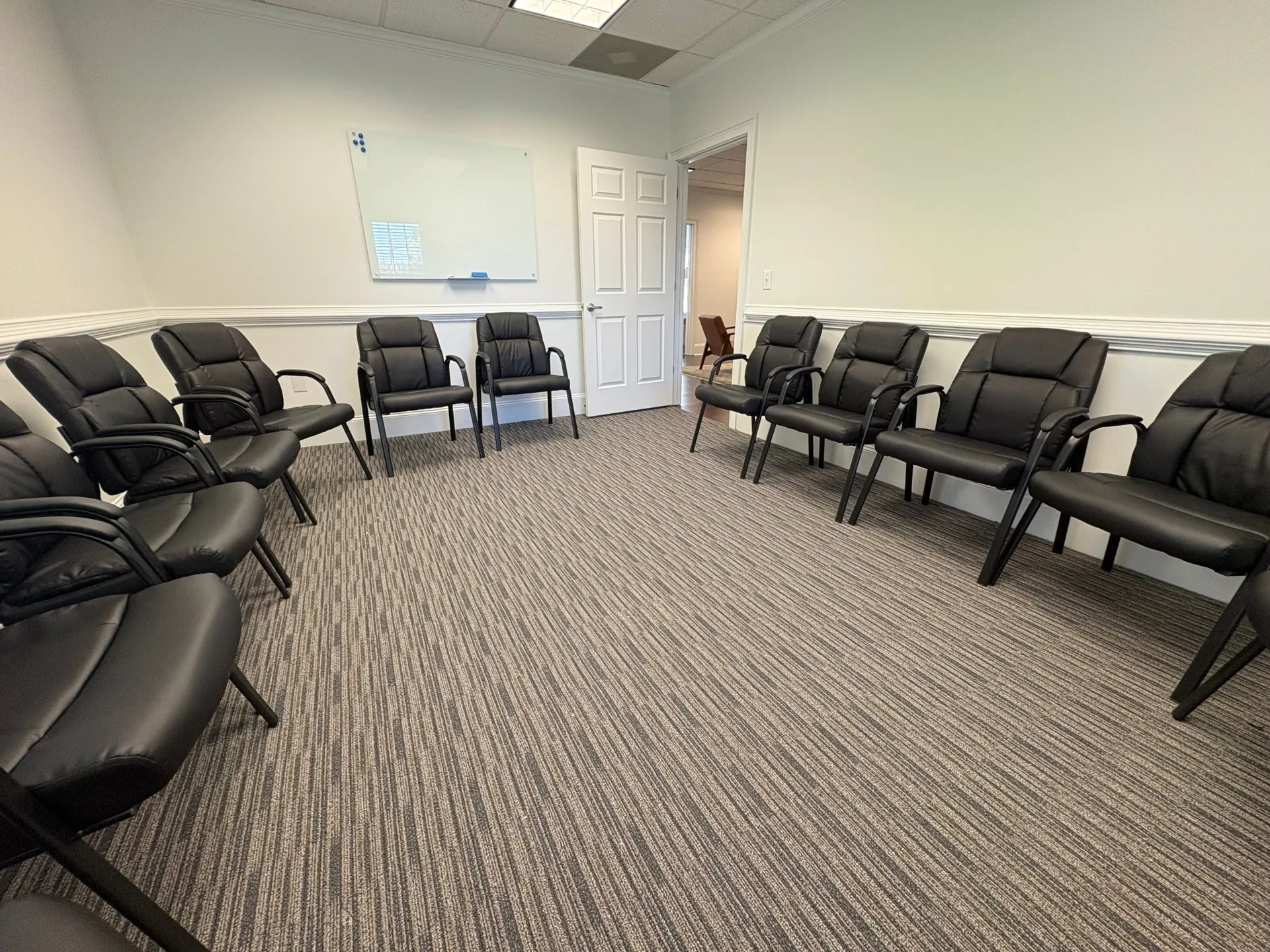
Three groups meet virtually: The Lunch Bunch, a 30-minute weekly check-in on Wednesdays at 12:15 PM with Todd Valentine; the Tuesday Process Group, an open process group meeting the first and third Tuesdays at 6:30 PM with Todd Valentine and Mark Anderson; and Anger Management, a 12-week closed course on Thursdays at 6:30 PM with Erica Welsh. The Community provides telehealth anywhere in Georgia, so a virtual seat in a group is a real option for people well outside the Alpharetta area, and the screening conversation works the same way for a virtual member as for one in the room. The SUD Recovery Process Group, the Thursday and Wednesday Process Groups, and the Professionals Group meet in person in Alpharetta. If attending virtually is the only way a group fits your life, lead with that on the first call so the match starts from reality.
For Therapists: Telling a Client About Group
If you’re a therapist with a client who needs a group, tell them about The Community; your client contacts us directly, and you stay their therapist. With your client’s consent, if desired, we coordinate with you, so your work and the group’s work stay connected instead of running in parallel silence. Group-only enrollment exists exactly for this: your client pays the $25 group-only rate, and the screening conversation with the facilitator protects your client the same way it protects every other member. If you have questions, call the main line, 404-590-2993, or email welcome@communityatlanta.com; please don’t send us your client’s details. More for therapists is on our for-therapists page.
Frequently Asked Questions
Your individual fee includes a group at the same frequency; beyond that frequency, group sessions run $10 each, and the group-only rate is $25 per session. For context, a typical Atlanta group session costs $50 to $60 as of 2026. Building Better Relationships, our trauma and recovery intensive, is $50 per session for 12 sessions. The Community does not add an administrative fee to group participation, which is how group pricing stays low.
Yes. Group-only enrollment is open to any adult (18+) who isn’t a Community individual client, including people in therapy elsewhere and people not in therapy at all. If you have an outside therapist, they stay your therapist, and we coordinate with them with your consent. Enrollment begins with a screening conversation with the group’s facilitator.
All seven groups are enrolling now; the first step is a screening conversation with the facilitator. Building Better Relationships is coming in early 2027, and Feelings 101 is coming Spring 2027.
Open groups run continuously and accept new members after screening as room allows; the SUD Recovery Process Group, the Thursday, Wednesday, and Tuesday Process Groups, the Professionals Group, and The Lunch Bunch are open. Closed groups form one cohort that begins and finishes together, like Building Better Relationships, Feelings 101, and the Anger Management course. Open groups offer an established community; closed cohorts offer the trust of a shared starting line.
No. In Grey Donnell’s words: “Talking in a group is not a prerequisite for being in a group. I didn’t talk for a long time.” Silence is a legitimate way to begin. Many members listen for weeks before they speak, and the group does part of its work on you while you’re quiet. The facilitator will never force the floor to you.
Reach the main line at 404-590-2993 or welcome@communityatlanta.com, or send the contact form on the getting-started page. You’ll get a same-day response on weekdays (by phone or email), then a screening conversation with the facilitator of the group you’re interested in, covering fit, readiness, and safety. If the fit is right, you join; if it isn’t, we’ll point you somewhere better rather than seat you badly.
Three things: fit, readiness, and safety. Fit asks if this group matches what you’re working on. Readiness asks if now is the right time. Safety asks if the group can hold your work and you can hold the group’s. Active psychosis, active thought disorders, or inability to practice emotional containment mean a warm referral out instead.
Yes. The Lunch Bunch (30 minutes, Wednesdays at 12:15 PM), the Tuesday Process Group (first and third Tuesdays at 6:30 PM), and Anger Management (Thursdays at 6:30 PM) meet virtually, and The Community provides telehealth anywhere in Georgia. The SUD Recovery Process Group, the Thursday and Wednesday Process Groups, and the Professionals Group meet in person in Alpharetta. If a virtual seat is the only way you can attend, say so in your screening conversation.
Find Us in Downtown Alpharetta
We’re just off Main Street in downtown Alpharetta. The Community, 320 Maxwell Road, Suite 300, Alpharetta, GA 30009. Seven groups, one screening conversation each, and a price built for staying. If one of these groups named something you’ve been carrying alone, the next step is a conversation, not a commitment. One call starts it: a same-day response on weekdays (by phone or email), a short conversation, and the screening conversation with the facilitator. Call 404-590-2993, or email welcome@communityatlanta.com.